Observe
觀察
Notice details before drawing conclusions.
在下結論前,先留意細節。
PLACE · 地方
索罟灣:一個仍在生活的海岸社區。
Life Jungle is rooted in Sok Kwu Wan, Lamma Island. We welcome learning with care: to notice how water, livelihood, knowledge and community are connected, rather than treating the place as a backdrop.
生命叢林植根於南丫島索罟灣。我們邀請大家以細緻的方式學習,理解水域、生計、地方知識與社區如何彼此連繫,而非把這裡視為一個活動背景。
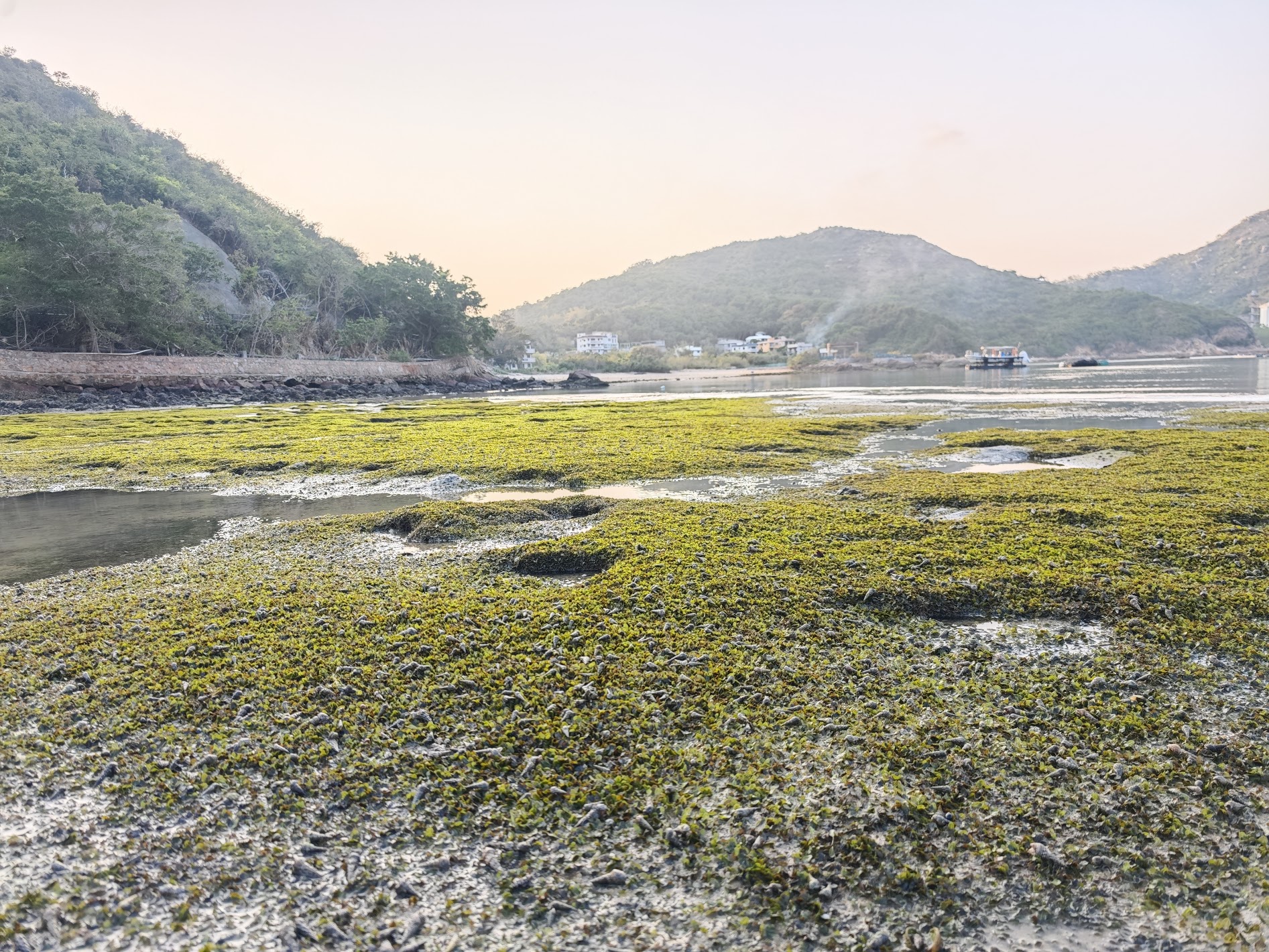
READ THE PLACE · 閱讀地方
不止是岸邊的一道風景。
Sok Kwu Wan Pier No. 2 is used by fishermen, Lamma Island residents and visitors. Nearby, official public information points to fish rafts, dragon boats and dwellings as part of the fisherfolk setting around the bay.
索罟灣第二號碼頭供漁民、南丫島居民及訪客使用。官方公共資料亦提及,海灣周邊的魚排、龍舟和居所,構成了漁民生活的地方景觀。
A learning visit begins with a question.
學習旅程,從一條問題開始。
What does it take for a coastal community to live with the sea? Who holds knowledge about water, weather, food and care? These are questions to explore respectfully with a teacher and a group plan.
一個海岸社區如何與海共生?誰掌握有關水域、天氣、食物與守護的知識?這些問題可由老師和團體規劃,在尊重之下慢慢探索。
LEARNING WITH CARE · 謹慎學習
前來理解關係,而非消費景點。
觀察
Notice details before drawing conclusions.
在下結論前,先留意細節。
聆聽
Make room for lived knowledge and community voices.
為生活經驗、地方知識與社區聲音留出空間。
反思
Connect a field question to a thoughtful next step.
把實地問題連結到一個經過思考的下一步。
開始規劃學校學習對話。
Tell us your year group, learning question and preferred timing. We will discuss suitable options and confirm practical arrangements in writing.
請告訴我們年級、學習問題及理想時間;我們會共同討論合適方案,並以書面確認實際安排。
Get the Teacher Pack · 索取教師資料包以尊重的態度了解漁民文化。
Traditional boats, tools, homes and lived practices can help students see that culture is not a display alone: it is knowledge held in people, places and everyday relationships.
傳統船隻、工具、居所與生活實踐,讓學生明白文化不只是展示;它存在於人、地方和日常關係所承載的知識之中。
Read the cultural context · 閱讀文化脈絡SOURCES AND FURTHER READING · 資料來源與延伸閱讀
The contextual statements on this page are supported by the public sources below. Details of each Life Jungle programme are confirmed with the relevant group in writing.
本頁的背景資料參考以下公開來源。生命叢林各項活動的具體安排,均會按個別團體以書面確認。
Describes the fisherfolk heritage museum in Sok Kwu Wan, including traditional boats, tools and homes.
Notes the pier's connection with fishermen, residents and visitors, and describes nearby rafts, dragon boats and dwellings.
Records the Sok Kwu Wan Jiao Festival in Hong Kong's intangible cultural heritage inventory.